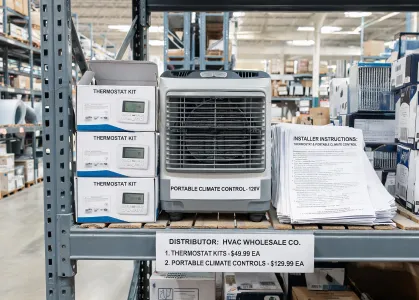
HVAC distributors
Thermostats, portable climate appliances, and controls grouped by installation workflow and replacement cycle.
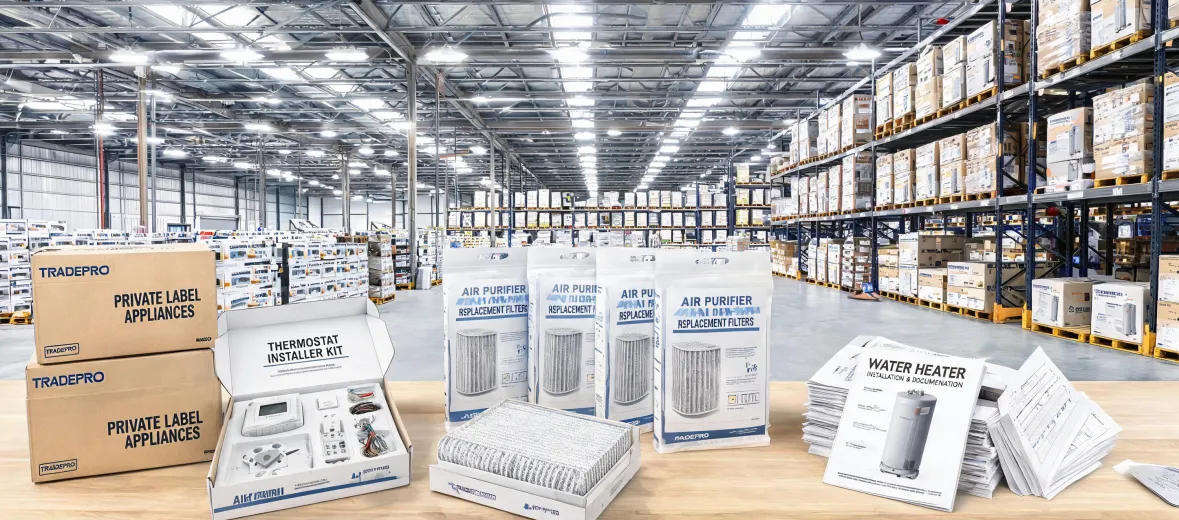
Thermostats, portable climate appliances, and controls grouped by installation workflow and replacement cycle.
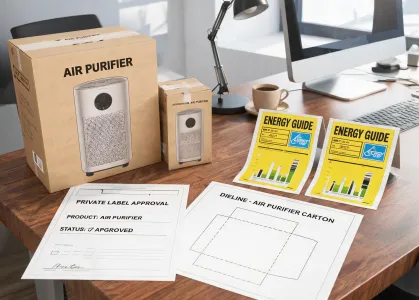
Carton claims, photography, manuals, and replenishment plans prepared for chain and online merchandising.
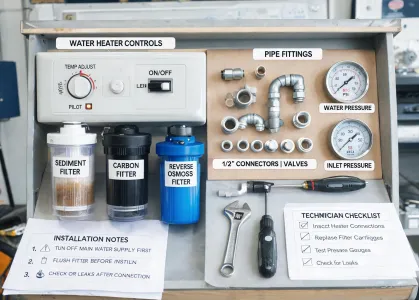
Water heat, filtration, and air quality accessories documented for installers and post-sale support teams.
Honeywell appliance programs serve several buyer environments, and each environment asks different questions before it approves a product line. A regional HVAC distributor wants thermostat families, compatible accessories, installer notes, and a clear warranty path. A retail buyer wants carton claims, merchandising language, energy or safety label positioning, and predictable replenishment for replacement filters or controls. A private-label team wants packaging control, manual language, logo placement, and a realistic MOQ path. An e-commerce seller wants compact specifications, reliable images, shipping protection, and support files that reduce post-sale confusion.
The industry layout is designed around those real review habits. Climate buyers can evaluate connected thermostat programs, portable air conditioners, tower fans, humidifiers, dehumidifiers, and space heaters as a linked seasonal assortment. Air quality buyers can focus on HEPA purifiers, filter replenishment, sensor descriptions, CADR claims, and replacement cycles. Water-treatment and water-heating buyers can see installation details, fittings, energy notes, and safety language early enough to prevent late-stage corrections. Kitchen and refrigeration buyers can still use the site for broader home appliance planning when they need a compact sourcing desk.
This approach is valuable because appliance procurement often fails at the edge of the program, not at the hero SKU. The first model may look attractive, but the buyer also needs filters, spare controls, packaging versions, retailer descriptions, and compliant manuals. By separating industries and buyer types, Honeywell can discuss the same product family in different commercial contexts without rewriting the whole project. It keeps the conversation factual: who will sell the unit, who will install it, who will service it, and what documents must travel with it.
Tell us how the product will be sold and serviced. The RFQ checklist will follow that channel.